
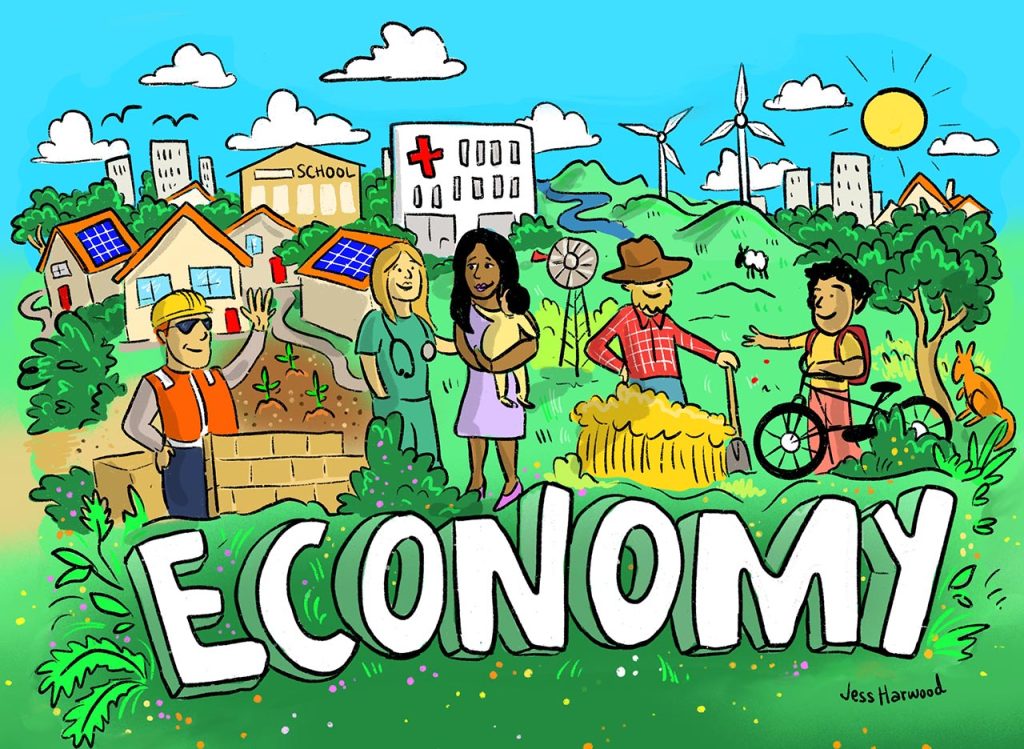
‘Building the economy we could have’ – A series of ideas, case studies and concepts exploring how we move to an economy that works for people and planet.
Australia’s future depends on whether we can move beyond piecemeal reforms to embrace systemic change.
Last year, we released The Economy We Could Have – a paper that looks under the bonnet of Australia’s economy: rising inequality, the erosion of the ‘fair go’, but also a story of hope. Of momentum growing across the country, and of enterprises and communities already leading the way.
The response was one of excitement, speaking to a deep desire for transformative economic change rather than the same old, tired recipes. Now, with Australia facing new economic pressures including an oil crisis, the impetus to act is greater.
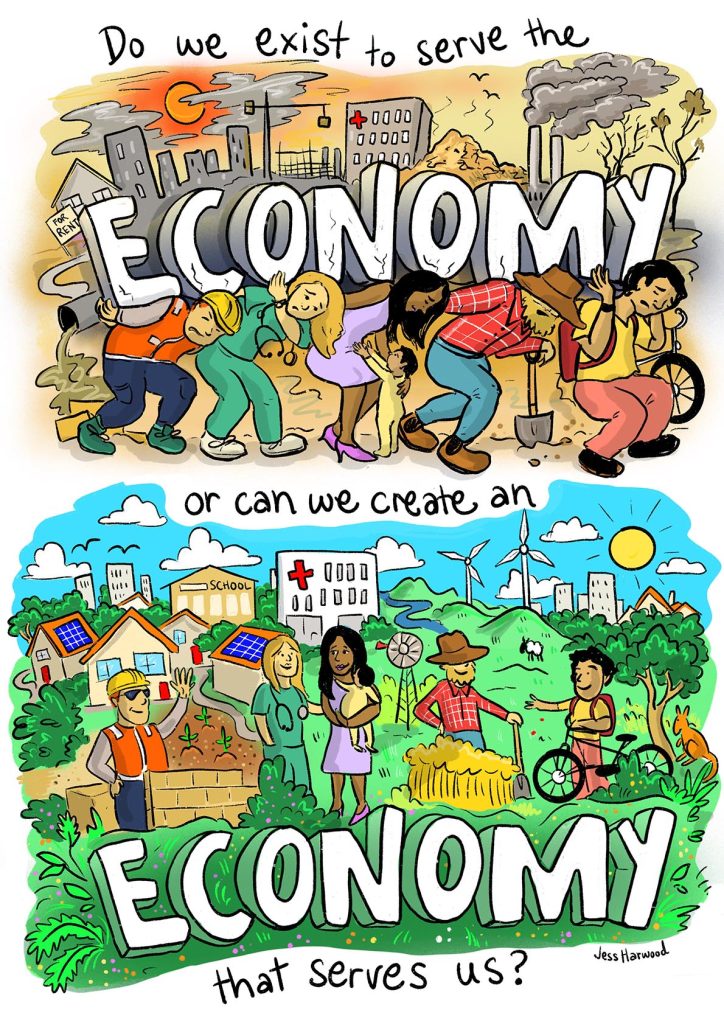
So, we are doubling down. The ideas that politicians and decision makers reach for in a crisis matter. We want those ideas to be the ones that put wellbeing at the centre: dignity, purpose, participation, fairness, and nature. As a foundation, rather than an afterthought.
That’s where our new series comes in.
Building The Economy We Could Have explores the ideas, case studies and concepts that show how we get there. Right now, there are many isolated or ‘Lego wins’, the examples that show what can be done better, yet scattered and disconnected. We are turning our focus to see these as building blocks: things worth doing more of, and connecting across the country.
We’ll share examples that show another way is possible and outline the potential of wellbeing economic concepts in practice, with case studies, explainers, interviews, and of course drawing on our work in regional communities looking to build resilient and thriving communities through times of change. ‘
The series includes:
- Explainers on wellbeing economy concepts and how they are showing up in Australia
- Case studies of enterprises, communities and policy makers doing differently
- Australian history showing we have charted different approaches before
- Interviews with people bringing fresh ideas and approaches.
We are excited to uplift the work that is steadily charting the way forward, drawing on Australian’s strengths as people who back their neighbours, champion local ideas, and have a long track record of showing the world what policies that work for people and planet can look like.
This series is a starting point for deeper thinking and conversation. We’d love to hear what resonates, or what we are missing. Contact us here.
Read our case studies:
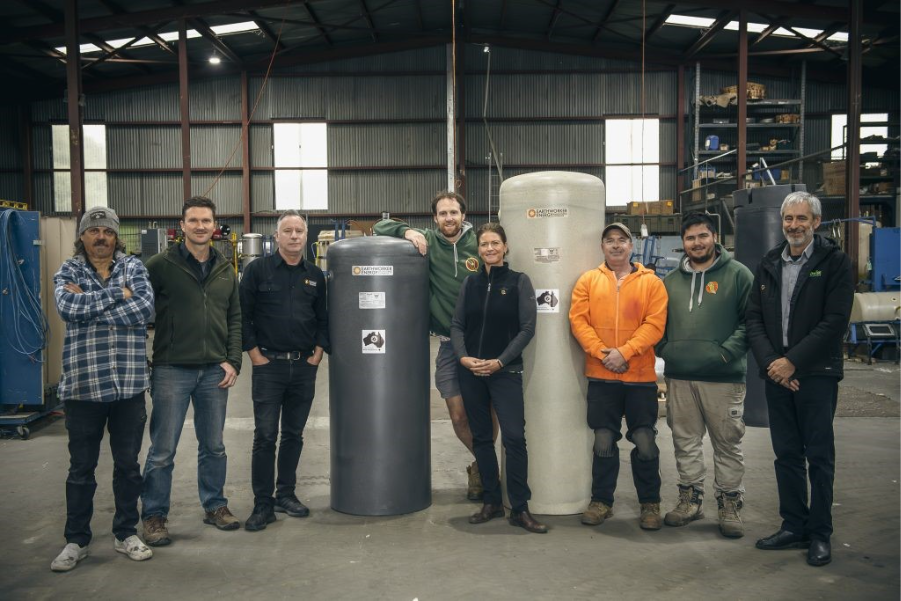
Earthworker Cooperative Network
Earthworker Cooperative Network gives us a glance into a wellbeing economy in action, where workers build the things we need in a worker-owned factory in Morwell.
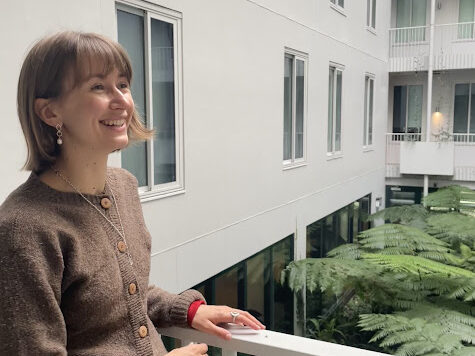
Nightingale Housing
To build the economy we could have, we must make sure housing is designed for people, not profit. Nightingale Housing are doing just this, as a not-for-profit housing developer, building environmentally and socially minded apartments, sold at cost.
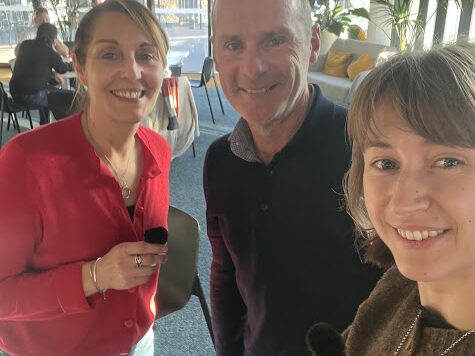
Interview with Neighbourhood Economics
We sit down with Bill Mithen and Annie Smits from Neighbourhood Economics to chat about how they’re using Community Wealth Building to transform the economies of Norlane and Corio in Victoria.
Read our explainers:

Predistribution
Australia used to do fairly well in terms of predistribution. To build the better economy we could have in Australia, we need to go back to a focus on building a fairer economy by design.
Community Wealth Building
Community Wealth Building is an approach to keep wealth local, build economic democracy and improve mental health. It can also improve resilience and control over our economy during times of economic turbulence and the climate crisis.

Beyond investment to stopping the bad
Focusing on spending misses a crucial pillar of prevention: stopping harmful activities from happening at all or before their impact gets even worse.
Beyond ‘Lifestyle Drift’
Drawn from case studies, explainers, interviews and on-the-ground experience, our new series explores what it looks like to build an economy that works for people and planet – not as an abstract idea, but as something already taking shape.