To build the economy we could have in Australia, changes must be made to the housing market as access to and ownership of housing is a huge driver of inequality. Currently the way the housing system operates seems to be a far cry from one designed to provide housing that is socially and environmentally friendly, at affordable or accessible prices. Instead, Australia has become a place where ‘investors’ look to make a profit.
Melbourne’s Nightingale Housing offers a different model. As a not-for-profit, Nightingale doesn’t add a profit margin, delivering homes ‘at cost’. Apartments are sold not to investors, but to residents and housing providers, and caps are set on resale prices. One-fifth of apartments are prioritised for key workers, people with disabilities, First Nations people, and single women.
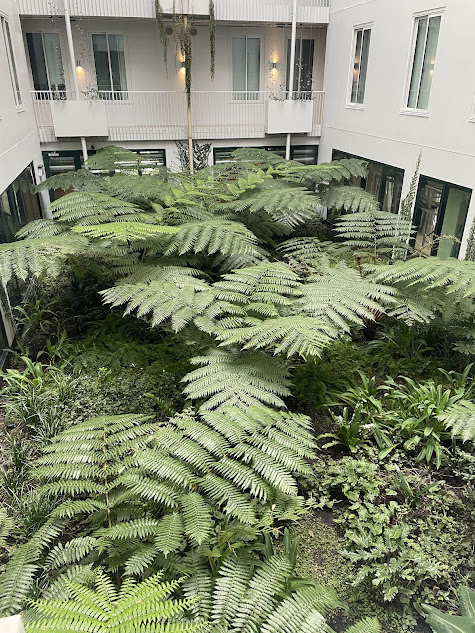
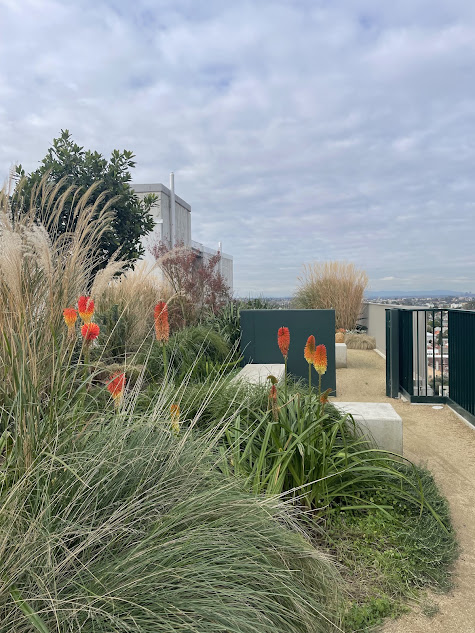
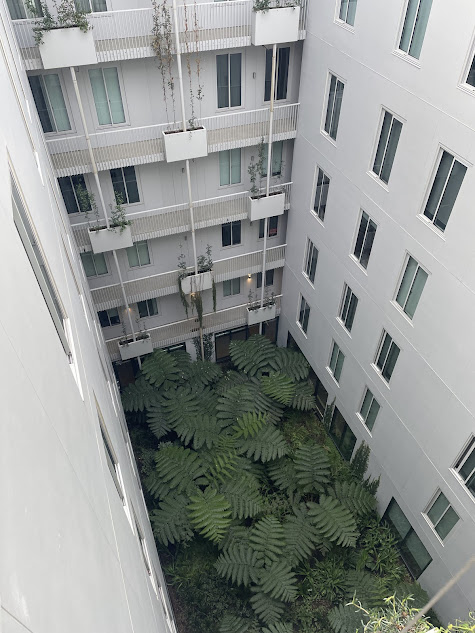
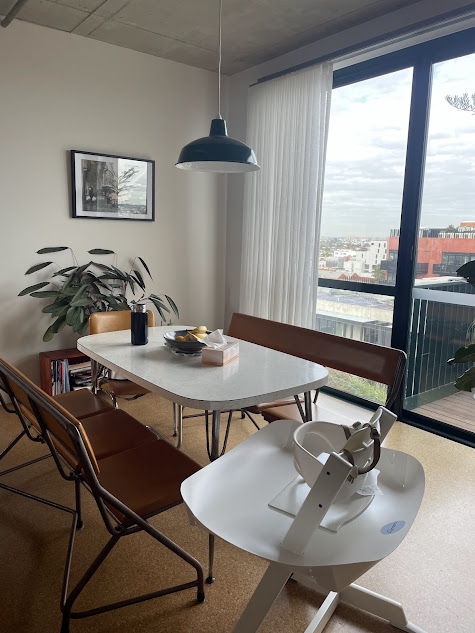
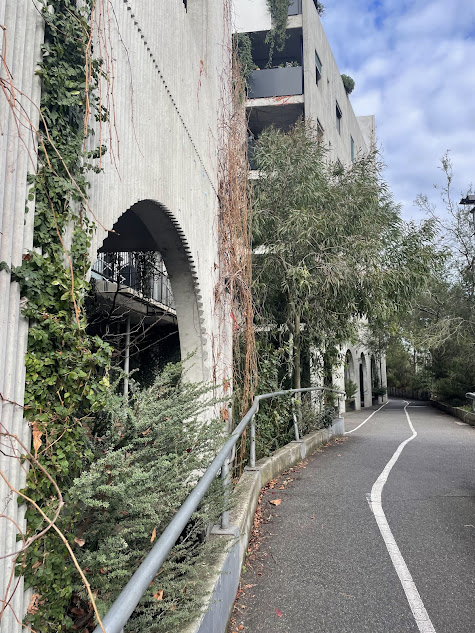
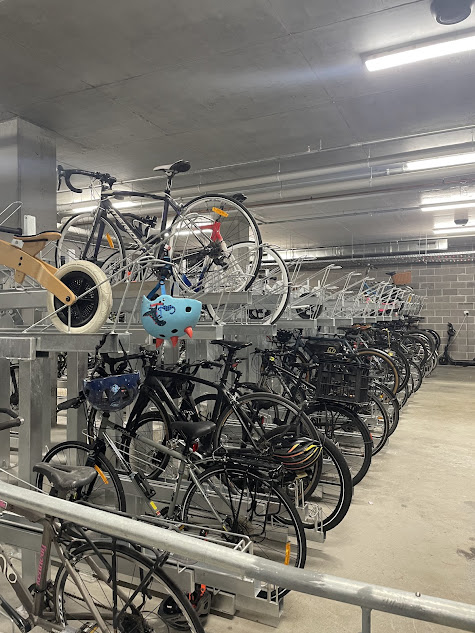
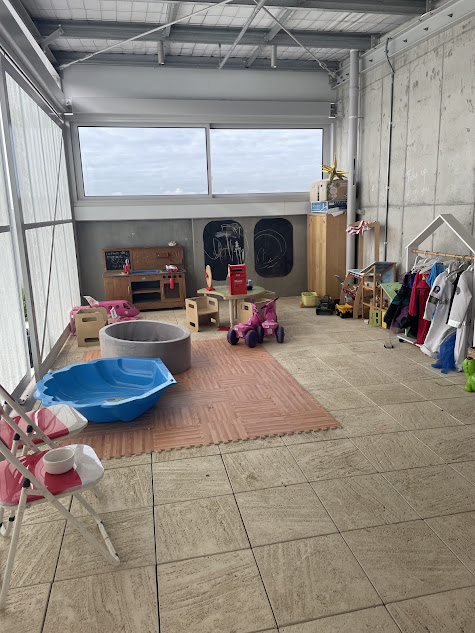
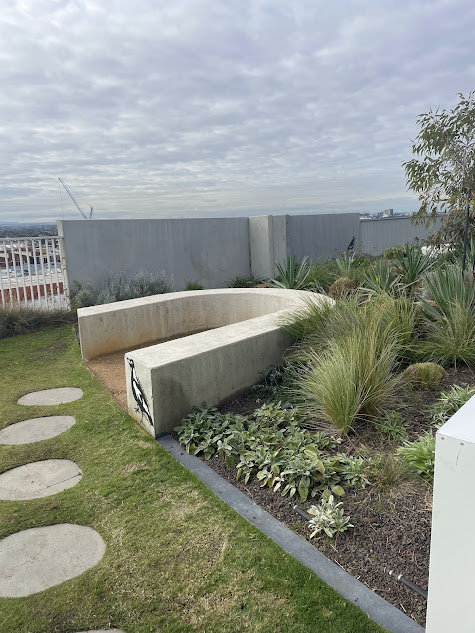
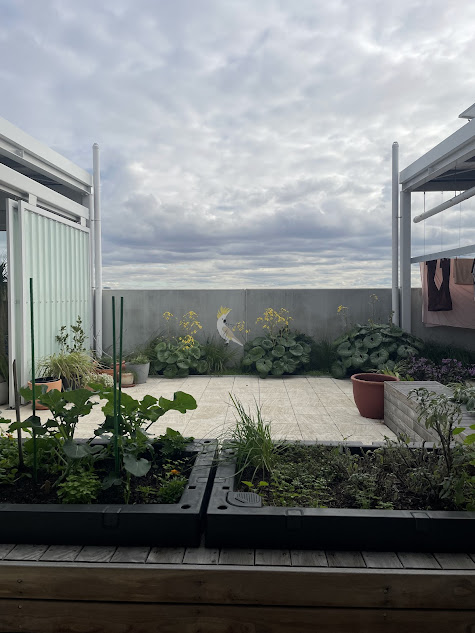
They also have a focus on minimising resource use and building strong community ties. Social connection is fostered via shared spaces, such as rooftop gardens, BBQs, and laundries. Recycled, natural, and local materials are used where possible, with energy-efficient features, like double glazing and insulation. Rooftop solar and water harvesting support the gardens, while the complex includes bike parking and are deliberately based near public transport to avoid the need for a car.
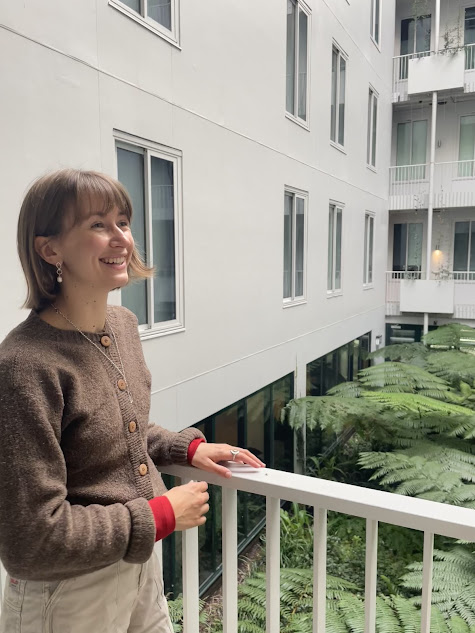
Our Economic Change Project Officer Josie toured one of the Nightingale apartments in Brunswick, then sat down with Toby Dean, the Head of Community at Nightingale Housing.
Toby works to ensure there are foundations for friendly relationships with existing and future residents. He also focuses on engagement with Community Housing Providers to help more people access to quality and secure housing. The conversation covered what Nightingale does and changes we need in the housing market in Australia to build the economy we could have.
Can you tell me a little bit about who Nightingale is and what you are trying to do?
We’re a developer, essentially, so we operate in a system that’s primarily driven by profit, but we’re a registered charity and a not-for-profit. We buy blocks of land and build housing that puts community and environment first.
What are some of the ways that you put community and environment first?
At the core of our project, we typically sell to owner occupiers, we sell at cost, and we sell a portion of our building to community housing providers to have affordable housing mixed into the building. We care about everyone that’s living in the community, and we hope it’s a mix. We typically build small footprint homes, which is one of the first steps to a more sustainable living system, to have smaller homes and more efficient homes as well, with things like solar panels, 100% green power, and well insulated.
What are the sorts of ways that Nightingale aims to create more of a connection between neighbours?
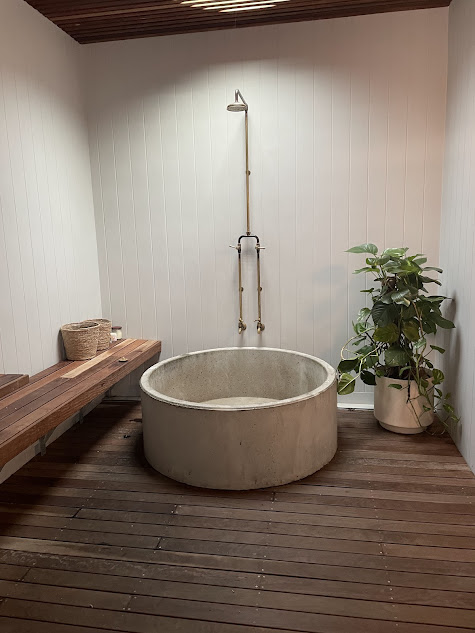
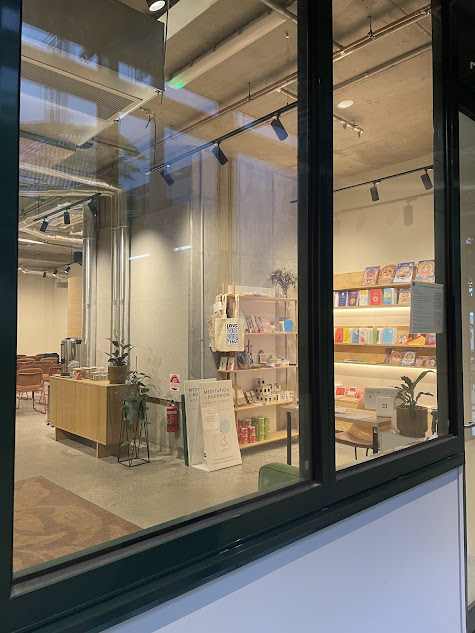
In a typical Nightingale apartment building, there are studios, and one-, two-, or three-bedroom apartments, and then on top of that, there are shared spaces that are designed to have both a practical function and a community driven function. So, bike parking, laundries, sometimes a guest house, a bath house, and rooftop garden spaces. All those areas are designed for people to do their washing or to garden, but also to get to know their neighbours and share resources as well.
Where are the Nightingale projects? There are lots around Brunswick in Melbourne, but where else?
We have a rental project in Sydney, projects in Fremantle, Adelaide, Ballarat, Melbourne. Our next few projects are local, one in Preston [Melbourne]. We’re also continuing to do some townhouse projects in Alphington and other suburbs. We hope to do another project in Adelaide, and then it’s uncertain what will happen after that.
We are Melbourne-focused but hope to expand that out, not only to capital cities, but typically we target areas that have good transport infrastructure, so that people can live without a car, like Wollongong or Newcastle. We aim to build close to public transport, close to amenities, and close to things like schools and education and jobs and infrastructure as well.
What are the things that are core to Nightingale?
We always use 100% green power, we prioritise shared spaces, good internet, sustainable buildings. And then on car parking; we just don’t believe we’re in a car parking crisis, we’re in a housing crisis, and for us to build homes and then add a private car park onto it, it adds a considerable cost. For us, we think the biggest barrier is getting people into home ownership.
What do you think is the hardest thing about being a developer in the housing market that we have in Australia? What are the barriers that Nightingale faces?
I think it’s always tricky to challenge the status quo. Typically, development is a profit-driven industry, which we’re obviously kind of sitting outside of that.
We want our buildings to perform well, and for it to be sustainable financially and environmentally, but it is tricky. There’s limited access to concessional finance in Australia, and there are a lot of barriers that can make development tricky. And construction costs are expensive, land is expensive.
Have things gotten easier or harder since you’ve started in 2013?
I think it’s probably been a mix. We’re still a small organization, there’s only five or six people that work here full time, and we’ve been through the ups and downs of the development industry. I think in some ways it’s got easier, people know who we are, people understand what we’re trying to do. There’s also been a big shift in planning laws that encourage medium-density or high-density developments and understand that not every home has to have a car. We’ve got past some of those battles. I think conversely, construction costs have increased so that it’s hard to build homes that people can afford to buy. You can build luxury apartments, but to build apartments at cost, typically for first home buyers, it’s gotten expensive.
Absolutely, and when you’re in inner city suburbs as well, where the median house price is high, “affordable” for the area, might not be affordable for a lot of people.
Yes. And “affordable” is a tough metric. There are proper definitions of it, but I think it’s more important for a home to be affordable on a person’s income rather than relative to market, which is what some people use.
Do you see the not-for-profit developer space getting better in Australia, or do you see a lot of examples of ‘ethical washing’?
I think it’s gone both ways. There has been a shift to appreciate good development, and to appreciate good density, with the rise of kind of the YIMBY movement, and the changes to planning laws, and everything like that, which encourage development. I think, conversely, there’s still a lot of poor development, or density that’s not appropriate for the place. I think the general population now have greater expectation around sustainability requirements, about insulation, about acoustics, and comfort, and non-flammable cladding.
What else has changed for the better since you first started out?
The building codes have changed for the better, the energy requirements have changed for better. I think in general, we’re moving in a better direction, I just wish people would be more concerned about sustainability, affordability, and making respectful places to live where people enjoy living there. I also live in a Nightingale project, you get to know your neighbours, you feel cared for, and there’s a sense of connection that is important.
What do you think about the situation in general in housing in Australia?
I think it’s about acknowledging that it is tough for a lot of people; for renters, for first home buyers, even for those downsizing. I think that a lot of Australians are kind of wary or cautious of change, but I think it’s important to acknowledge that you can make changes in the housing system. Nightingale still finds it difficult, we’re not just cruising through as an organisation, things aren’t easy. I wish we had greater access to concessional finance and there were more not-for-profit developers operating in our space, so we weren’t one of the few.
What do you see needing to change from a government approach?
People talk about housing affordability, I think that’s a good term, but it’s relatively abstract for a lot of people. I think that housing in Australia is too expensive, and the cost of housing needs to decrease, or our wages need to increase. I think that the recent changes by the federal government were supportive.
The changes to capital gains tax, and other changes that they’re bringing forward, I think are positive. I think that they will see housing perhaps get closer to wage growth, not increase as exponentially as it has, and for property not to be seen or viewed as a tool for wealth creation. We always wish for more, but I’m super appreciative of those changes. I think it was brave to do some potentially not popular decisions.
I think there needs to be a strengthening of tenancy laws, for renters and anyone out there in the housing market, and I think there should be support for first home buyers. I also wish there was an increase in public and community housing funding.
Thanks for your time, Toby. And thanks for showing me around!
Thanks for coming. It’s nice to share with people what we do here at Nightingale Housing!
Head to www.nightingalehousing.org for more information.
Check out our series, ‘Building the economy we could have’ for more case studies, explainers and interviews that show what is possible in Australia.