Erinch Sahan spent two weeks in October touring the east coast of Australia. Here’s what we learned.
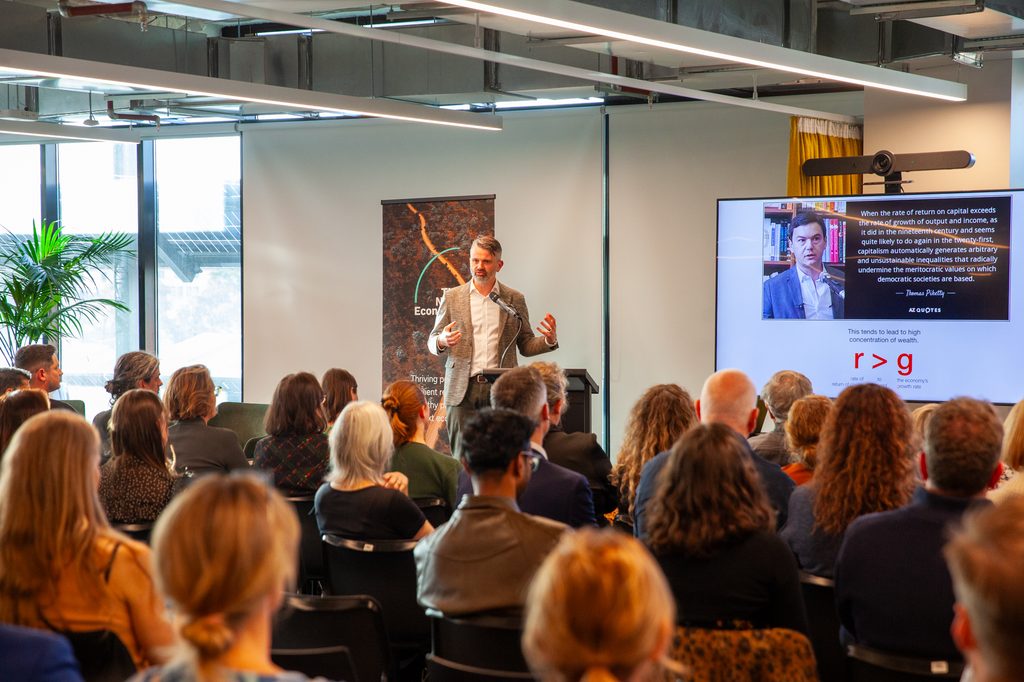
We’re still buzzing from Erinch Sahan’s two-week visit to Melbourne, Canberra and Sydney last month, sharing his expertise on how Australia can redesign business and investment to work for people and planet.
His message was clear: a sustainable, equitable economy necessitates major changes to business ownership, governance and investment, not just sustainability commitments. The good news is such changes can help address rising inequality, political instability, environmental damage and stop the race to the bottom.
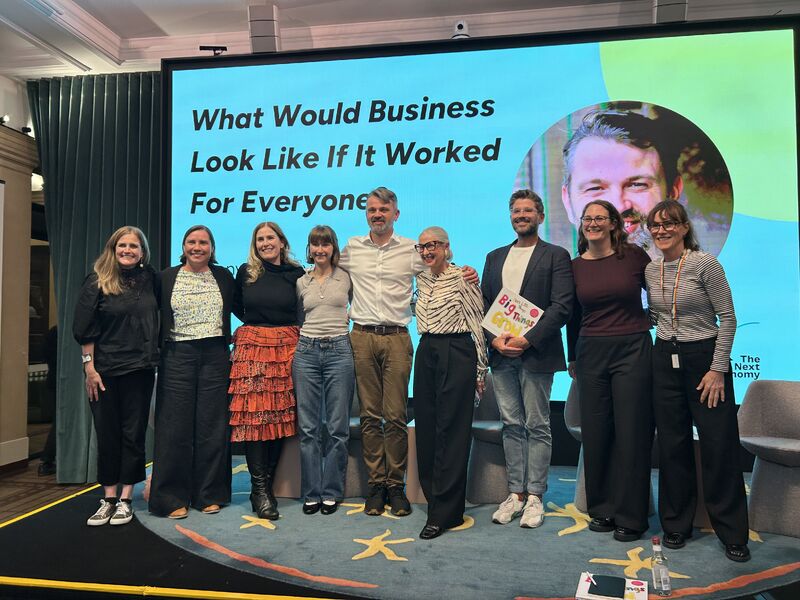
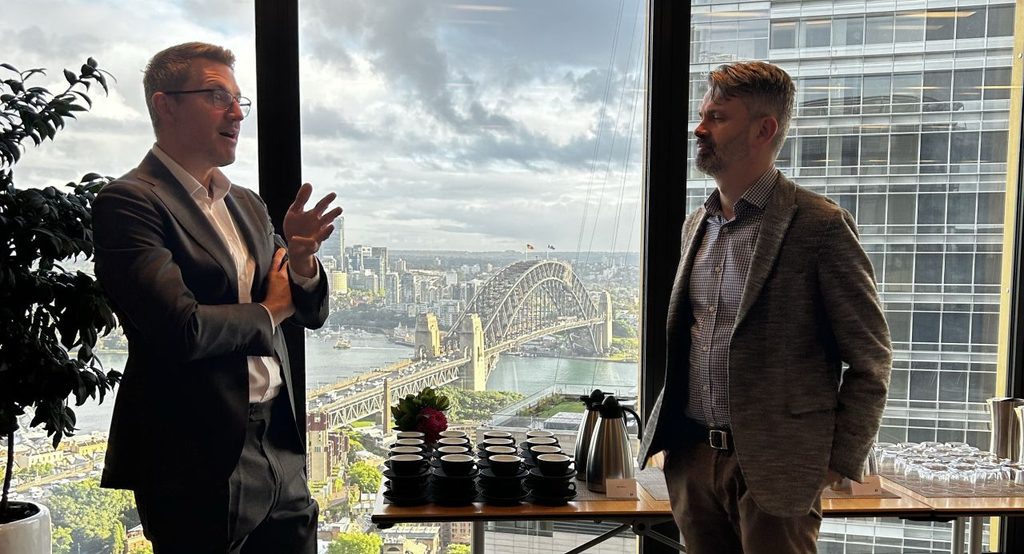
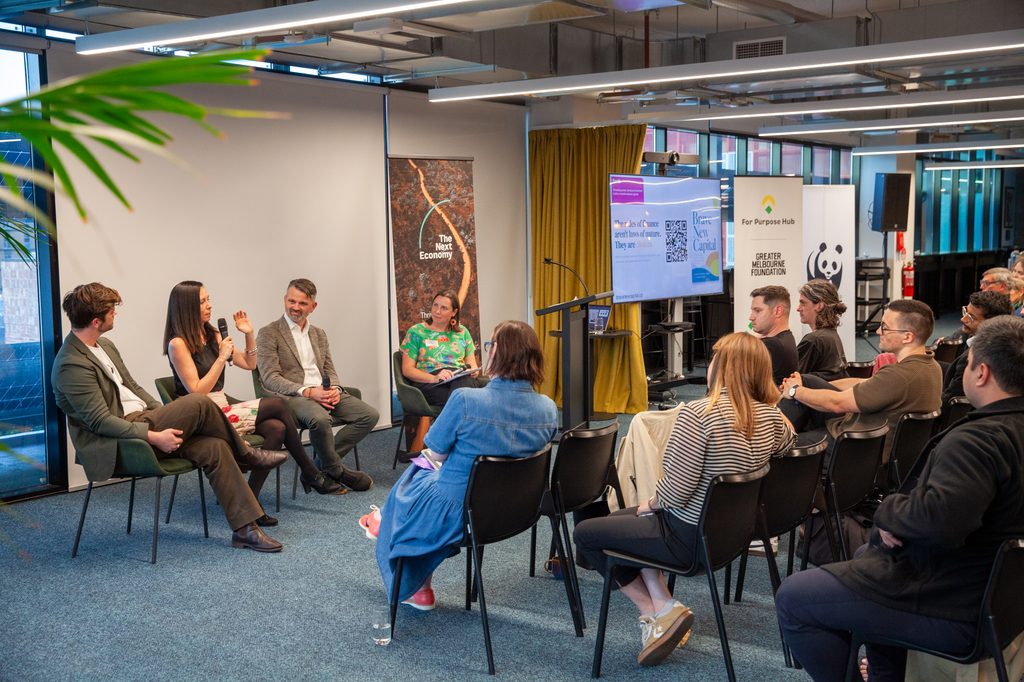
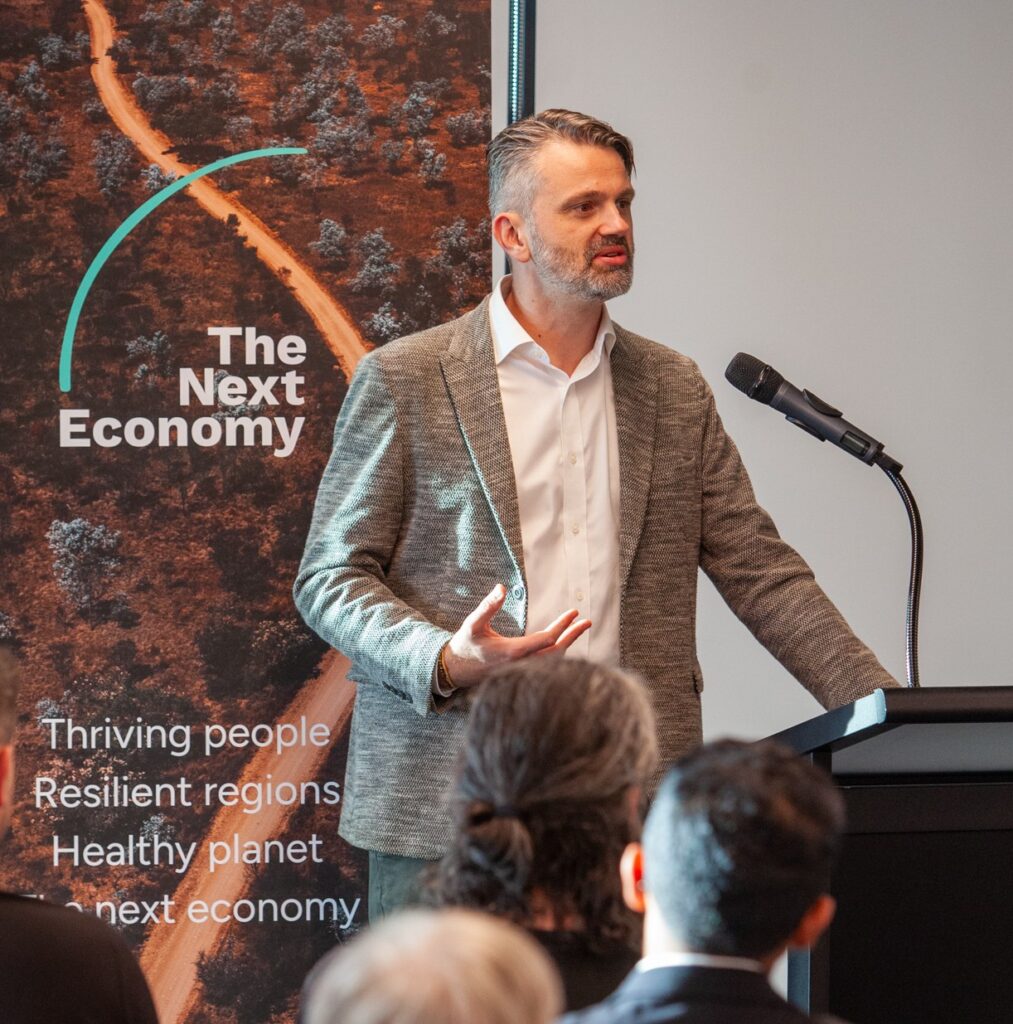
We packed Erinch’s trip out: with 15 speaking engagements over eight days, he met with business leaders, investors, philanthropy, community organisations, researchers, government and general audiences to explore how to build businesses with shared ownership and democratic governance.
During Erinch’s keynotes and webinars, policy roundtables and peer conversations, it was clear that Australian audiences are ready to move beyond tinkering at the edges.
Some of the key takeaways:
- Sharing ownership is key to tackling inequality and strengthening democracy. Alongside redistribution, predistribution in the form expanding access to ownership and returns through employee ownership trusts, community land trusts, worker cooperatives and other shared-ownership models that can also help build democratic muscle memory. 💰
- We can build public and community ownership into the energy transition. Community-owned renewables and participatory governance can strengthen local support, adding to the existing benefits to health, air quality and energy sovereignty that are part of the renewable transition. ♻️
- Even big established businesses can change. Choices can be made around employee-owned and local suppliers, differently governed subsidiaries, adding worker representation on boards, or a voice for nature and future generations can all offer pathways forward within existing business structures. ⚡️
- There is still work to do to remove barriers to for-purpose business. We must close education and training gaps for legal and financial professionals, so co-ops, mutuals and alternative structures become viable options for more businesses. And governments can get involved by harnessing tax and other incentives that make these sorts of businesses the obvious solution. 💪
Ultimately, he reminded us that the way we design business design is a choice. There is no need for the business model to be extractive of people and planet, and the economy doesn’t need to be something that just happens to us.
Thank you to everyone who helped organise an event:
Melbourne Business School, Shared Value Project, Tripple, Planetary Health Equity Hothouse, The Wyatt Trust, Centre for Policy Development, Wellbeing Economy Alliance Australia, The Cause Effect, EY’s New Economy Unit, Social Traders, Regen Melbourne, Reichstein Foundation, Committee for Sydney. And of course to Greater Melbourne Foundation, Paul Ramsay Foundation and WWF-Australia who partnered on this trip.
And thank you, Erinch, for your tireless efforts and inspiring messages! We are excited to continue to work together to build the economy we could have, that puts people and planet first and grows community wealth.
Articles and media from the trip:
Erinch was on ABC Illawarra Drive with Fairlie Hamilton: 1:04:50-1:16:50 Listen here.
Greater Melbourne Foundation’s General Manager Programs & Social Impact, Kerry Farrance, reflects on the conversations and thought-exchanges throughout Erinch’s visit. Read here.
While touring Australia, Erinch spoke to Stacey Knott from Philanthropy Australia for an interview in their newsletter Giving News, about building an economy that works for everyone and investing for a just future. Read here.
Videos:
Watch Erinch’s Webinar with The Next Economy’s Katherine Trebeck and Jacqui Bell: Global lessons, regional opportunities – in conversation with Erinch Sahan
Watch Erinch’s event in Sydney hosted by Paul Ramsay Foundation: What would business look like if it worked for everyone?