
Negotiations continued to shape the global approach to just transition ahead of COP31 at the recent Bonn climate talks, attended by The Next Economy’s founder Amanda Cahill.
Amanda’s time on the ground working closely with negotiators, country delegations, and civil society groups offers a timely window into both the progress being made, and the challenges that remain, in turning the Just Transition agenda into something tangible and actionable.
“There’s been steady, if cautious, progress on the proposed Just Transition Mechanism, which is a body proposed to support nations to manage the transition to net zero,” says Amanda. “It’s still on track to be further developed and potentially operationalised later this year, but there’s clearly more work needed to build a shared understanding of what it should deliver in practice.”
Alignment was a priority moving forward, she added: “Countries are supportive in principle, but there isn’t yet a clear, common view of what a ‘mechanism’ actually looks like or how it functions.
“A big part of the conversation now must move from broad commitments to something that is structured, resourced and implementable, for regions around the world who are already navigating the transition and dealing with the impacts of change.”
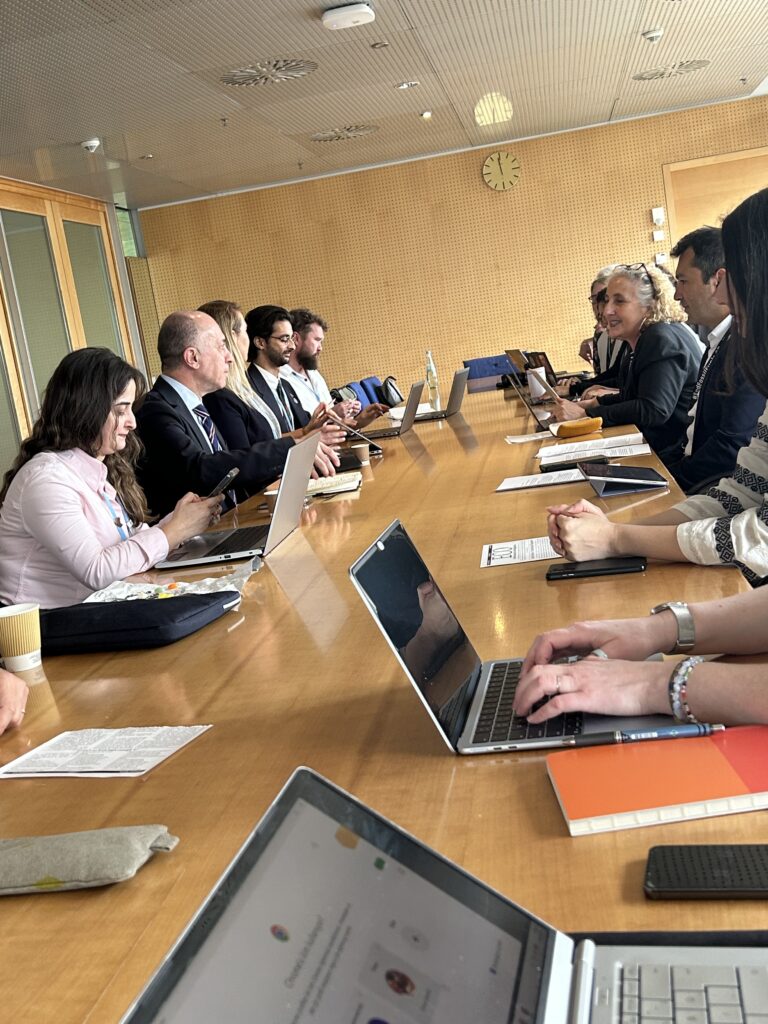
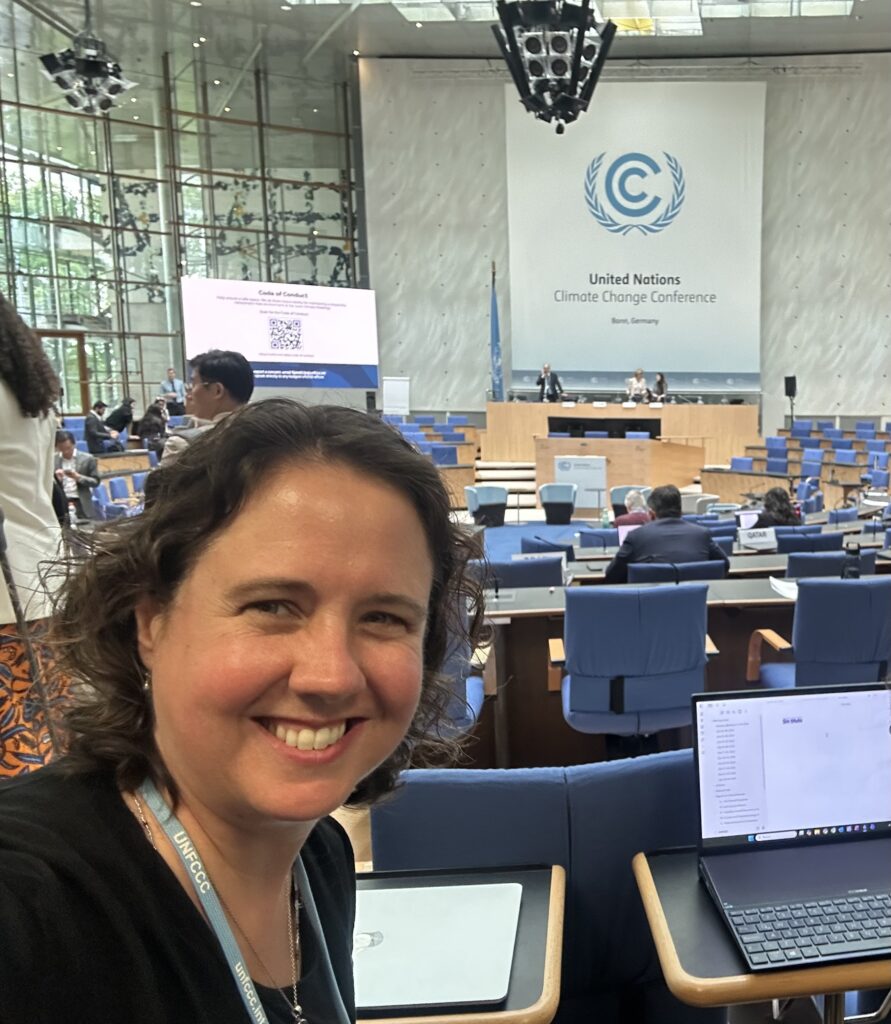
There was a packed agenda at Bonn, with discussions focussed on mitigation, adaptation, trade rules, and finance to support climate action. In particular, there was significant interest and debate about how the Transitioning Away from Fossil Fuel agenda spearheaded by Colombia, The Netherlands and Brazil could be integrated into the COP agenda.
“Being on the ground highlighted how important coordination is across governments, business, unions, research institutions, and a wide range of civil society groups, including Indigenous and youth representatives. So much is happening around the world and yet for this to be effective, efforts need to be better connected and resourced.”
“There is a lot of work to do before COP31 is held in Türkiye, with success highly dependent on how well parties can translate ambition into a clear framework with defined purpose, governance, and support behind it.”
Earlier this year, The Next Economy made a submission on how a Just Transition Mechanism could be operationalised to the United Arab Emirates Just Transition Work Programme.
Read our summary of the submission to find out more about what a Just Transition Mechanism is, why it’s needed and how we think it can be made a reality.