Mount Isa’s Future Ready Economy Roadmap: A stronger, more resilient future 

Mount Isa in Queensland’s Gulf Country region is preparing for a critical decade with the development of its Future Ready Economy Roadmap.

Mount Isa is preparing for a critical decade with the development of its Future Ready Economy Roadmap. Stakeholders across government, industry, and the community have already contributed to shaping this crucial work, highlighting its significance to the region’s future. The Roadmap, set for release in February 2025, will outline simple and practical steps to diversify and decarbonise the local economy, build resilience, and improve social wellbeing. 

The Roadmap is an initiative between the Mount Isa City Council, who commissioned and funded the project, and The Next Economy with support from Climate-KIC. 

Mount Isa Mayor Peta MacRae said: “This initiative unites the voices of the community, industry, and government to create a strategy that addresses current challenges as well as harnesses new opportunities. As Mount Isa looks ahead, the Roadmap will serve as a vital guide, ensuring the region remains a vibrant, resilient place to live and work for years to come.” 

A region facing increasing challenges and emerging opportunities 

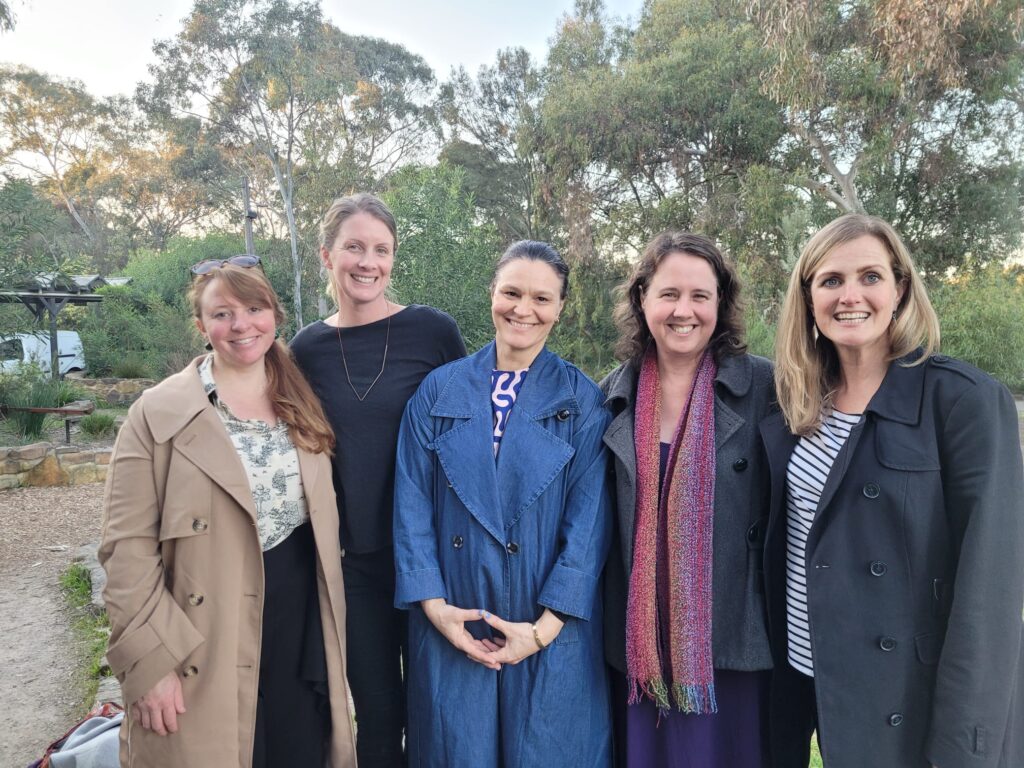
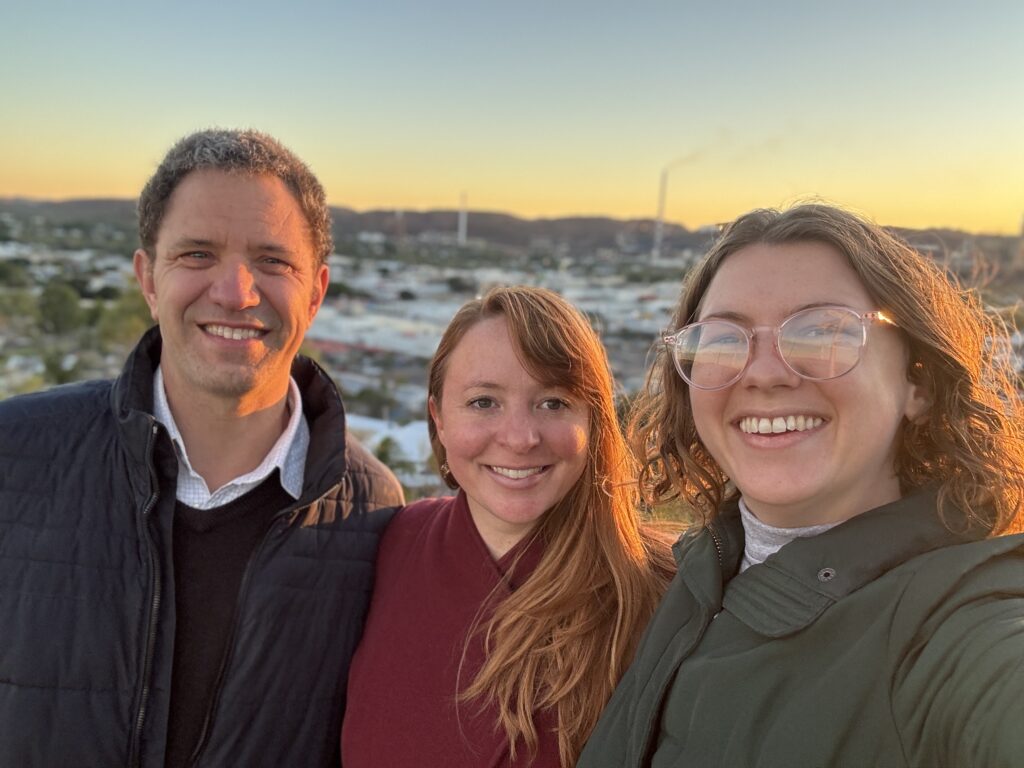
Climate-KIC’s Jason Nielsen with The Next Economy’s Reanna Willis and Kate Donnelly enjoying a Mount Isa sunset in-between workshops earlier this year.

Reanna Willis, senior project officer at The Next Economy, said: “Mount Isa is facing growing challenges, from mass job losses to regional connectivity to access to childcare and health services. It’s a critical time for the region to be exploring how to strengthen and diversify the region’s economy in ways that work for the community into the future. 

“The people of Mount Isa get it. They know that, if this change is managed well, there will be more opportunities to improve the liveability, attractiveness and viability here. The region is well-positioned to capitalise on emerging opportunities including in critical minerals and renewables as well as strengthen existing industries like tourism. Realising this vision will require significant coordination, collaboration and strong investment from industry, government and the community.” 

Council’s efforts towards economic diversification 

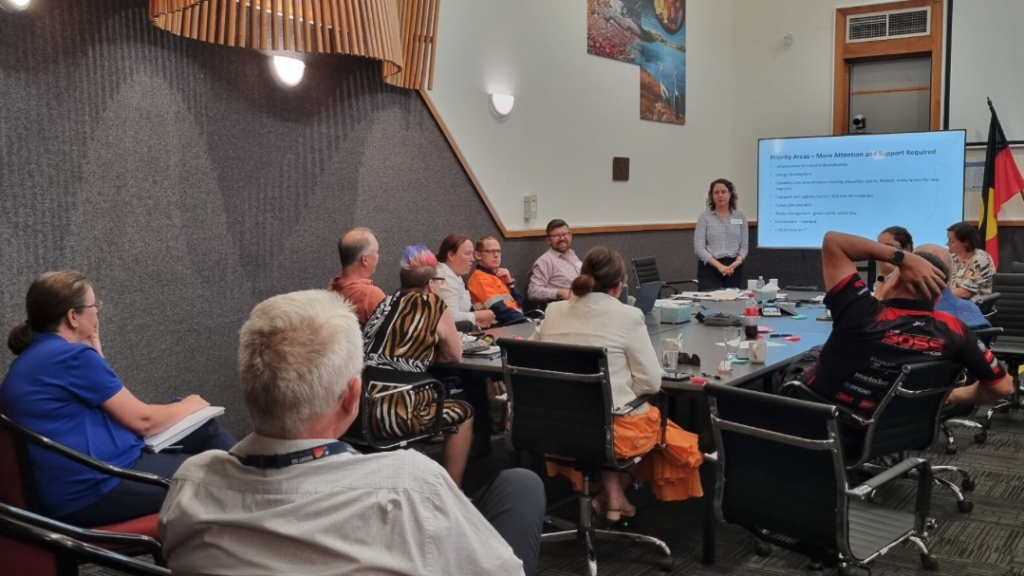
Mount Isa City Council discuss priority areas where support is needed to build a stronger, more resilient future at a The Next Economy workshop in October 2024.

Mount Isa City Council is already taking proactive measures to drive economic diversification. Through detailed economic analysis, the Council has identified 60 stimulus projects designed to retain skilled workers and strengthen the local economy.  

In October, in an Australian first, Council signed a memorandum of understanding with French-Canadian aeronautic company FLYING WHALES to establish a base for large capacity airships to transport heavy or bulky loads such as wind turbine parts. A technical feasibility study and business case is underway. (Read more in this ABC article)

Another notable initiative is the development of a Materials Recovery Facility (MRF), supported by $6.06 million from the Federal Government’s Building Better Regions Fund. Expected to be operational by 2025, the MRF will establish Mount Isa as a recycling hub for the North West. 

Engaging with the community 

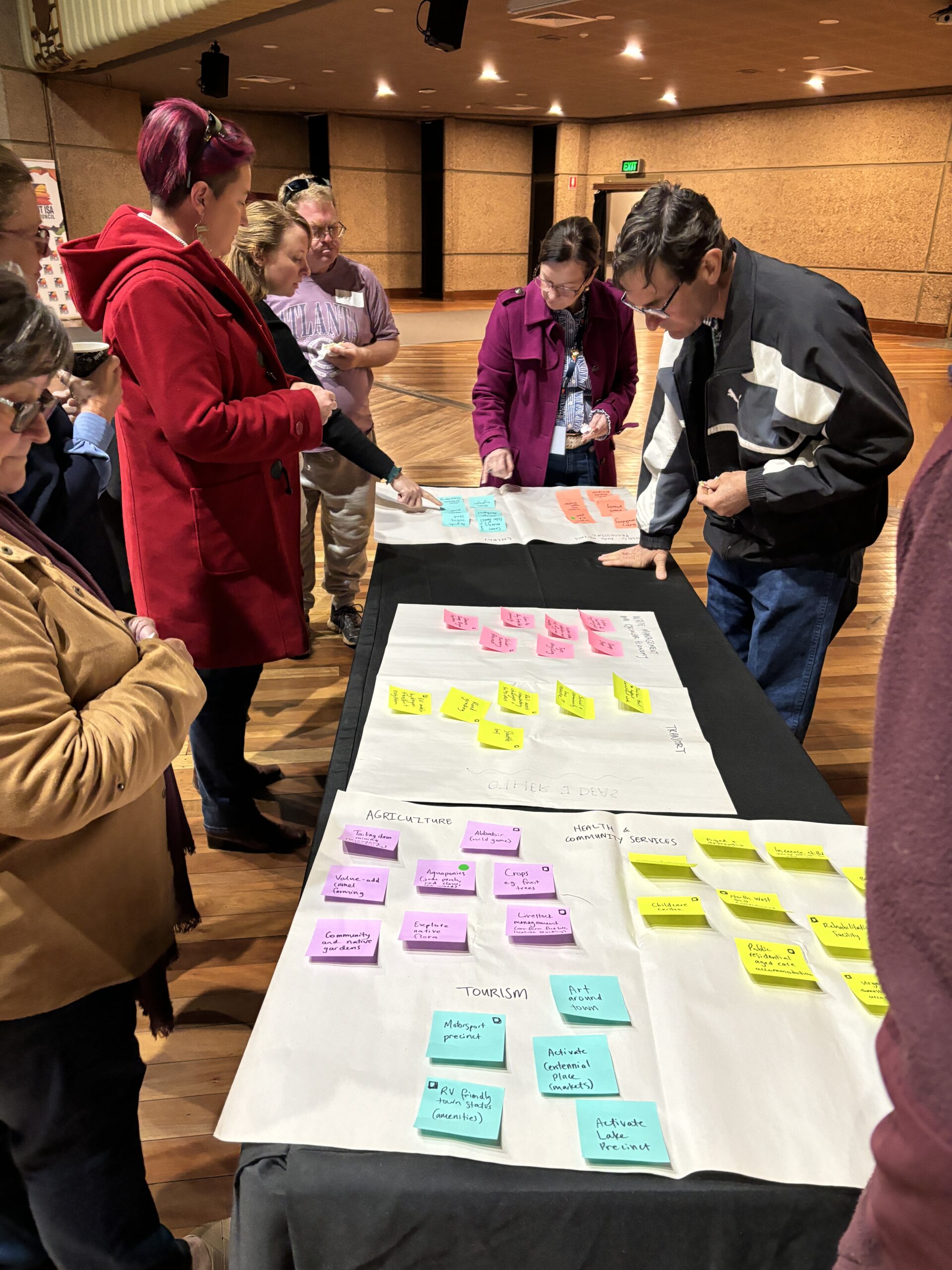
A series of workshops with stakeholders across government, industry and community in 2024 will help shape the Roadmap.

In September, The Next Economy held a series of meetings to gather feedback from First Nations people and community service organisations, ensuring the Roadmap reflects the needs and aspirations of the entire community. The Next Economy hosted a further workshop in October with Council to develop pathways to attracting the right attention and support behind local opportunities and priorities. 

Michelle Paulsen, Remote Operations Manager at Centacare North Queensland, was among those who participated in a series of community workshops earlier this year. She highlighted the importance of staying informed about the local economy’s changes and their impact on the community: 
 
“From emergency relief to supporting families and children, the demand for Centacare’s services is being affected by changes in the local economy and resources industry. Staying informed, sharing what we are witnessing on the ground, and engaging in new ideas helps us better support Mount Isa families and individuals in need.  
 
“The workshops were a valuable opportunity to contribute to Mount Isa’s growth and future. Expanding my understanding of circular economy opportunities has given me greater insight into new areas of economic growth. I encourage anyone who cares about Mount Isa’s future and wants to support our local community to get involved.” 

Get in touch to find out more about the initiative

Can we improve inclusiveness in the clean energy workforce? 

Have you ever wondered how inclusive the clean energy workforce is – or could be?  

Australia is now firmly in the implementation phase of the energy transition, with more and more employment opportunities in the clean energy workforce. In fact, nearly half a million workers are projected to be needed to reach Australia’s 2030 renewable energy target alone.  

The Next Economy is working with a range of stakeholders to explore how to expand the renewable energy workforce to include people who often face systemic barriers to employment. Specifically, in regions with growing demands for workers in clean energy. 

The Inclusive Clean Energy Workforce (ICEW) project aims to ignite discussion about how we can work together to enhance diversity, equity and inclusion.  

Our current discussion paper captures pivotal themes and insights drawn from a desktop review of literature and interviews with stakeholders across the clean energy sector, social services and employment sectors. 

In mid-July 2024, we’re hosting a range of workshops to get feedback on this initial piece of work and to dive deeper into opportunities and practical strategies to enhance diversity, equity and inclusion in the clean energy workforce.   

Opportunities and insights will be captured and shared in a series of sector resources and webinars in the second half of 2024.    

Early findings and key points:

  • Every Australian deserves access to the benefits of clean energy development, including new and existing jobs required for the workforce 
  • The current clean energy sector can improve on diversity, equity and inclusion despite already outperforming other energy sectors including coal and gas 
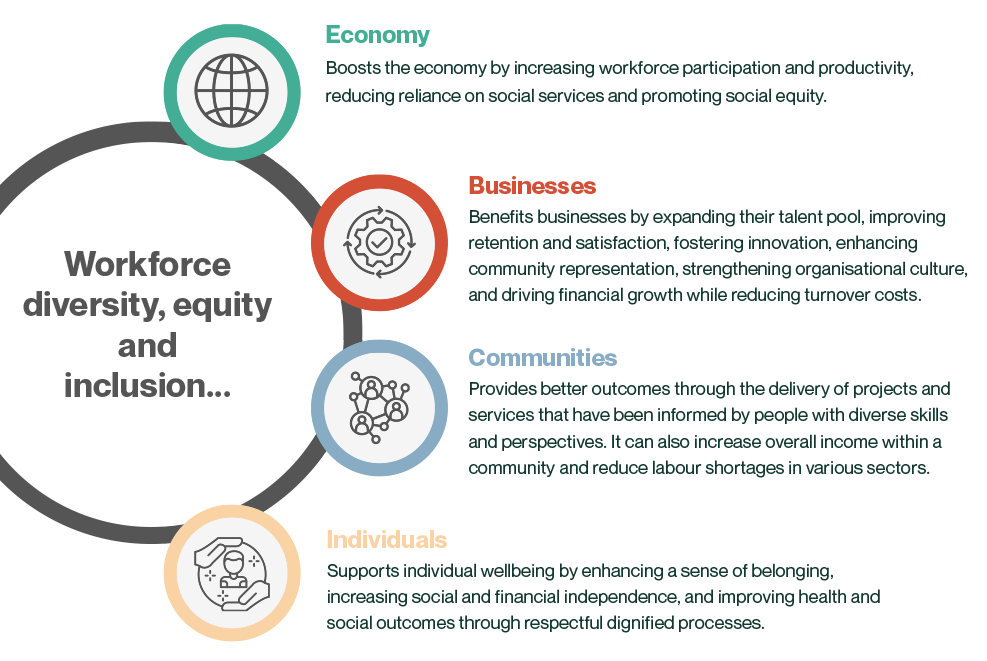
  • Greater diversity, equity and inclusion not only improves outcomes for individuals, but also can for companies, communities, the sector and the economy 
  • From access to training and education to workplace culture characteristics, there are several systemic, cultural and broader factors and barriers marginalised groups face accessing jobs in the clean energy workforce 
  • Working together, stakeholders from industry, education and training, and civil society can enhance diversity, equity and inclusion in the clean energy workforce 

If you’re interested in finding out more, or want to share your insights with us, please contact Jacqui Bell.  

What’s a Wellbeing Economy?

We ask Dr Katherine Trebeck, Economic Change Lead at The Next Economy

In a nutshell, what is a wellbeing economy?

An economy designed deliberately to work for people and the planet, not the other way around as so often seems to be the case today.  It’s about creating a context in which people thrive, first time around, rather than having to deploy loads of resources trying to fix and repair after damage has been done. This means initiatives that speak to the purpose of the economy, prevention, predistribtion (not just redistribution), and a people powered economy.

So, it requires thinking about what activities we need more of because they help create that context and finding ways to expand those activities: being selective about what is growing, rather than pursuit of any sort of growth.

Are there any examples of using this framework successfully? If so, how?

Think about the wellbeing economy not so much as a framework, but more as a paradigm. It requires a substantial shift in how the economy is thought about and approached. It is about seeing the economy as a mechanism to meet our real goals, and certainly not something to which all other goals are subservient. Not only are we seeing a growing conversation and emerging such as the Wellbeing Economy Alliance initiatives where people are coming together to promote the agenda or its component parts, but there are loads of examples of governments and enterprises making the sort of changes that are necessary. For example:

  • Multidimensional measurement dashboards (Australia’s Measuring What Matters statement is an example of this) and support for social enterprises (the recently announced Social Enterprise Development Initiative, for example)
  • Circular economy production and public transport systems
  • Community or worker owned businesses such as the Earth Worker Cooperative in Victoria
  • Considering the environmental cost of the things we buy. 

The challenge is that while there is no shortage of examples, often they are the exception that proves the rule. One nice illustration of the potential for this is seen in the Community Wealth Building work happening in places like Cleveland in the US and in Preston in the UK (plus in various parts of Australia too). In Preston, there has been research which shows the council’s efforts to procure locally, to support local businesses and local employment has meant the local economy has been more resilient, but also people’s mental health and reported personal wellbeing has improved. 

How might the principles of a wellbeing economy help address current challenges posed by high cost of living pressures?

A key feature of a wellbeing economy approach is to look at the root causes of an issue, and not just respond crisis to crisis, symptom to symptom. 

So in terms of cost-of-living pressures and high housing costs as a key part of that, a wellbeing economy approach would entail examining the way the housing market operates – who owns the houses? What taxes and incentives encourage the sort of ownership patterns that are forcing up prices? Why aren’t there more community housing cooperatives and other modes of providing housing in Australia? 

It would then step back and reflect on what the ultimate goal is – shelter for people in Australia’s towns and cities. It would then think about what needs to change in the economy for more people to have access to good quality shelter – perhaps that means shifting taxes to discourage people owning more and more homes as investment devices? Perhaps that means changing planning laws to enable more community groups to co-own housing? Perhaps that means ensuring homes are built with high energy efficiency standards so once people move into them, they aren’t spending huge amounts on heating and cooling them.

And speaking of energy efficiency, a wellbeing economy approach is also about being ambitious for flow-on benefits – so if housing is being built, can it help address environmental challenges by needing less carbon and using more recycled materials? Can it help address equity and inclusion by being built by companies employing local people, which have gender balance in their teams, and which pay living wages etc? And can it help roll out models of enterprise that have a social purpose at their heart, so could the houses be owned by a housing cooperative?

How might Australia adopt a wellbeing economy framework? What are the steps that need to happen?

There’s a precondition for government acting – that’s people talking about it, and being able to imagine an economy that serves them, not the other way around: an economy that doesn’t generate so much inequality and put so much pressure on the planet. That will be helped by learning about examples of this in practice, even in small scale. Then policy makers need to step in to design the rules of the game so those good examples are common place.

What would a state or federal budget for a wellbeing economy look like?

It would use things like taxes and subsidies to support the sort of activities which are good for people and planet, and to discourage those that aren’t. In other words, it would ask what we need more of and how can mechanisms in the budget help cultivate them?

With the support of the Lord Mayor’s Charitable Foundation, The Next Economy is convening an ‘Upstream Lab’ to explore the economic root causes of many of today’s challenges, including how to take action where there is scope to prevent harm happening in the first place. More details to come as we roll out this exciting initiative.

Find out more:

On the wellbeing economy, is Australia at risk of dropping the ball? Opinion piece by Dr Katherine Trebeck in Croakey Health Media, 14 May 2024

The Wellbeing Economy in Brief, Dr Katherine Trebeck and Warwick Smith, Centre for Policy Development, February 2024

Primary producers in Hay, Carrathool help shape NSW region’s economic future 

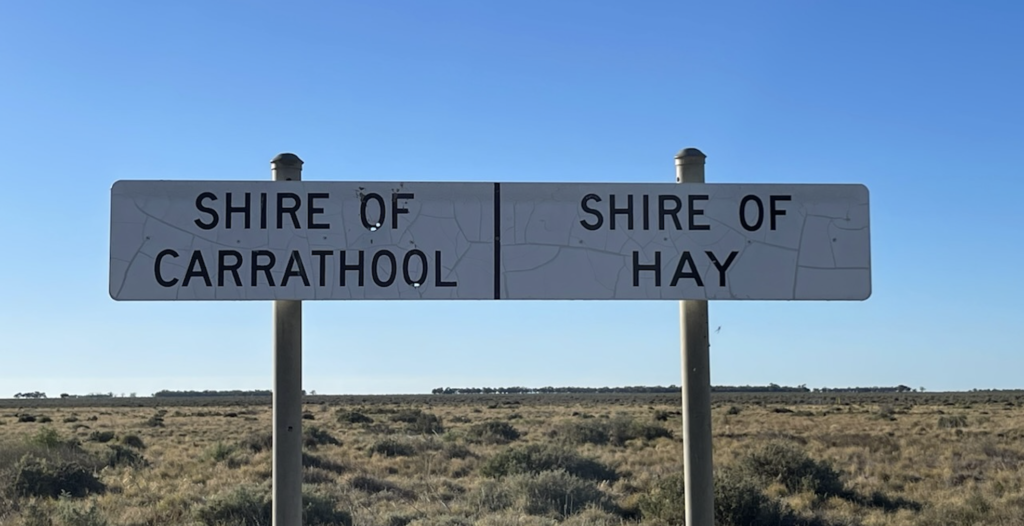
More than 80 primary producers and community members joined both Hay and Carrathool shire councils and The Next Economy (TNE) at a series of workshops to explore barriers and opportunities for strengthening community resilience and driving good economic development in the region.  

Situated within Australia’s renowned ‘food bowl’ in the Riverina region of southwest New South Wales, the Hay and Carrathool Shire communities boast a rich legacy in agriculture and primary production. 

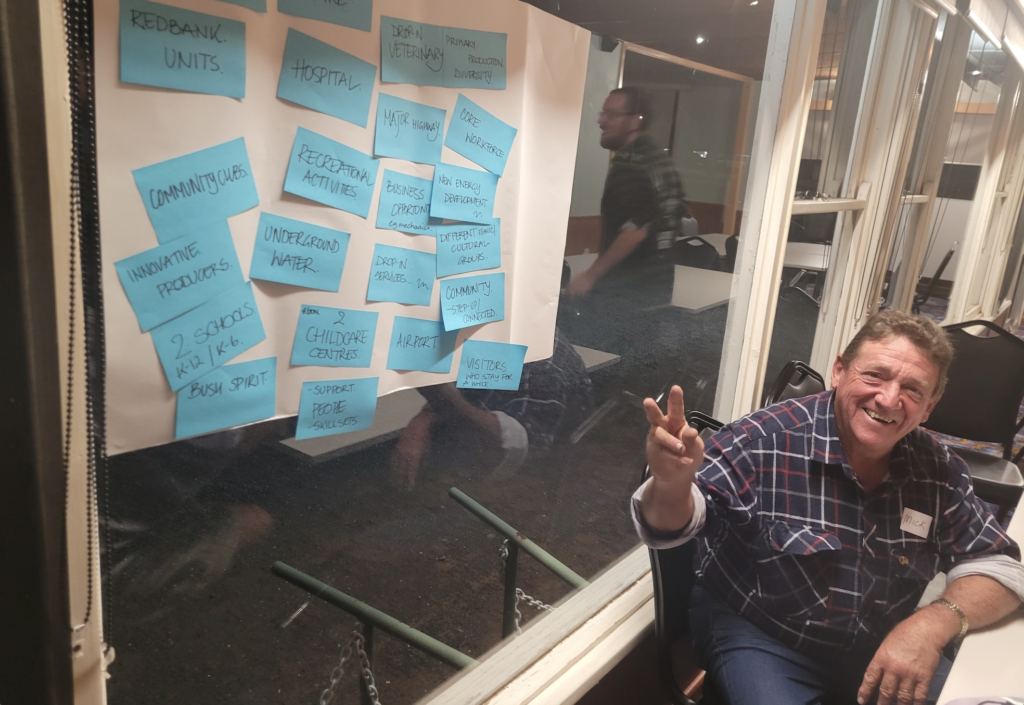
The five workshops, held between 8 and 12 April 2024, brought together representatives from local businesses, community organisations, community services and primary production to identify what makes the region work now as well as opportunities and potential directions for good regional development that drives a strong, vibrant and climate resilient future. 

Feedback from workshop participants included:

It was great to see so many community members turn up and be involved.

and

It was good to feel like community members are important in decision making. 

The workshops marked the official start of extensive community engagement activities as part of Hay and Carrathool Shire Councils’ development of the 10-year Resilient Economy Roadmap initiative.  

The Roadmap will outline practical actions councils, business, industries and communities can take over the next decade to diversify their economies while building resilience in the face of change and disruption. This includes economic, social, cultural and environmental resilience. 

The project comes at a pivotal moment for the region as communities navigate a range of growing challenges and disruptions, including rising living costs, climate impacts from recent flood events to prolonged droughts, and the impact of the decarbonisation of global supply chains. 

Jacqui Bell, TNE’s Land Use Director, said:  

“These communities have a golden opportunity to stay strong now and into the future. To do that, they’re coming together to identify how to overcome barriers, diversify economies and build resilience. 

“The level of engagement with the Roadmap project demonstrates the region has a network of strategic local leaders and champions who are passionate about their communities, economy and the future of the region.   

“Community members, business owners and representatives from the primary production industry we’ve engaged with so far are constantly adapting and innovating in response to changes in the local climate and global economy.  It was great to see such overwhelming interest in working collaboratively to shape the region’s future.”  

The Resilient Economy Roadmap initiative is a collaboration between Hay and Carrathool Shire councils, The Next Economy, The Australian Resilience Centre, and communities across the region.  Running from March to October 2024, it is funded jointly by the Australian Government and NSW’s Future Drought Fund and is part of the Regional Drought Resilience Planning Program. 

To stay up to date on the project, follow the Resilient Economy Roadmap Facebook page.  For further project information, please contact j.bell@nexteconomy.com.au 

What next? Community perspectives on Latrobe Valley’s energy transition

Between February and June 2023, The Next Economy explored a range of perspectives among Latrobe Valley community leaders with regards to the energy transition.

The project involved hosting a series of interviews and workshops that engaged 31 community members, including First Nations people and young people, people from the multicultural community, grassroots environment groups, small businesses and the social service sector.

The report makes visible the wealth of experiences, insights and knowledge that exists in communities across the region and demonstrates how the local community can be a valuable partner in working towards good transition outcomes for the Latrobe Valley region.

The main project finding is that community members see a range of potential benefits from the energy transition, beyond job creation and Australia’s national decarbonisation agenda. If managed well, the transition could provide opportunities to transform the systems that underpin society, the regional economy, and people’s relationship with the local environment.

The key themes presented in the report are:

  • Socio-economic disadvantage, equity issues and liveability
  • Community Participation
  • Institutional capacity and good governance
  • Environmental protection, remediation and rehabilitation
  • First Nations leadership
  • New energy development
  • Regional economic development
  • Workforce development

To find out more, download a copy of the What Next? Community Perspectives on the Energy Transition in the Latrobe Valley.

Mining towns want plan for energy transformation

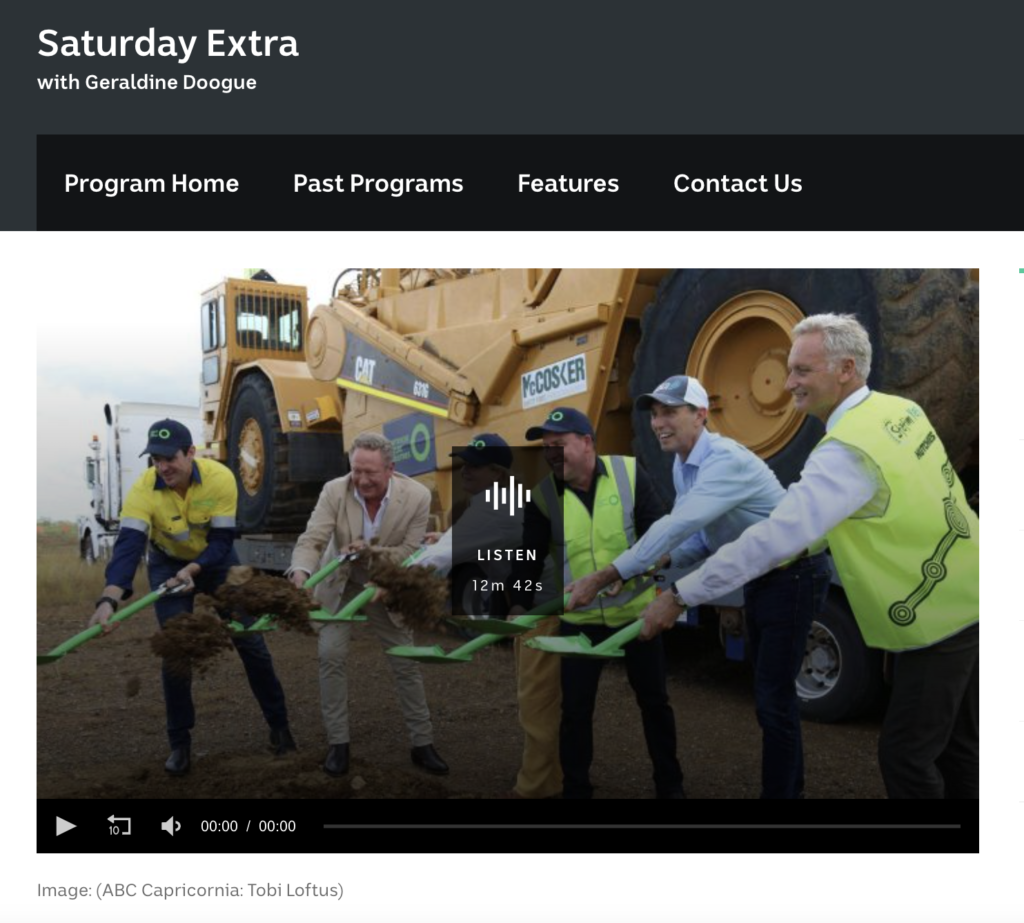
Communities in Australia’s coal and gas heartlands say they need greater federal support and policy to mange the energy transition and make the most of economic opportunities.

Guest: Dr Amanda Cahill, CEO The Next Economy and author of What regions need on the path to net zero.

Duration: 12min 42sec
Broadcast: Sat 21 May 2022, 8:20am (the morning of the federal election)

Saturday Extra interview with Dr Amanda Cahill on the morning of the federal election

Energising the Future Economy of the Gladstone Region

Have your say in online survey about ‘Energising the Future Economy of the Gladstone Region’.

Locals across the Gladstone Region are invited to participate in an online survey to share their thoughts on the future changes to the energy sector and how the region can take advantage of emerging changes to generate new economic opportunities.

The survey content has been generated following a series of in-depth community and industry forums involving people from across the region.

Acting Gladstone Region Mayor Kahn Goodluck says Council would like to know if other residents share these views.

“Council recognises that the unfolding changes in the energy sector pose both challenges and opportunities for the Gladstone Region and people working in industry,” Councillor Goodluck said.

“This online survey is part of our joint initiative with The Next Economy – Energising the Gladstone Region Future Economy.

“Feedback from community, government, industry and other stakeholder groups will guide us on what is required to adapt to a changing energy sector and to support our region over the next 10 years.”

Full media release below:

Transforming Queensland: The Case for a Transition Authority

The Queensland economy is being transformed as the world embraces the challenge to phase out fossil fuels and rapidly expand renewable energy generation in pursuit of net zero emissions goals. As one of the world’s biggest exporters of coal and gas, and with an ongoing reliance on coal fired electricity generation, these changes pose huge risks to the Queensland economy. They also present us with massive economic opportunities, given the state’s abundance of solar, wind and mineral resources.

The experiences of other regions and countries demonstrates that change can be managed well, but it requires a high degree of leadership, resourcing and coordination from government. Transition authorities have proven a successful vehicle to support governments in this task by bringing together stakeholders from across government, industry and the community to plan and coordinate efforts to proactively manage the phase out of fossil fuels and expansion of renewable energy.

Have your say: Energising the Future Economy of the Gladstone Region

Gladstone locals are invited to share their thoughts on the future energy system and how the region can take advantage of emerging changes to generate new economic opportunities at upcoming community forums hosted by The Next Economy, on 19 and 20 March, 2022.

Listen to our CEO, Dr Amanda Cahill on local radio talk about the importance of having your say.

These forums are part of a new initiative of Gladstone Regional Council – Energising the Gladstone Region’s Future Economy. Feedback from community, government, industry and other stakeholder groups will guide the Council on what is required to adapt to a changing energy sector and to support our region over the next ten years.

“This project is leading the way in Central Queensland, using an inclusive and interactive planning process to tackle the challenges and opportunities of the energy transition.  We’ll be designing a roadmap for the Gladstone Region over the next ten years to help navigate changes in the energy sector that directly impact the local economy,” said Dr Amanda Cahill, Chief Executive Officer of The Next Economy.

“We are already seeing a lot of change across Central Queensland. The Gladstone Region is particularly well positioned to take advantage of new economic opportunities as we shift to new energy solutions, but we also need to plan ahead to manage the potential impacts on our regional economy and build community resilience,” added Dr. Cahill.

Attendees at the community forums at Agnes Water on Saturday 19 March and Gladstone on Sunday 20 March will explore the impact that changes to the energy system are having on the region and have their say about what they want for the future.

Gladstone Region Deputy Mayor Kahn Goodluck said The Next Economy will present the most recent information on energy trends, as well as how renewable energy and other emerging technologies have the potential to boost the local economy.

“The forums will cover topics such as supporting and developing the local workforce, energy affordability, diversifying the economy, and protecting land and water resources,” Clr Goodluck said.

“For those who prefer an online option, we encourage you to join the online forum on Wednesday 30 March.”

The Gladstone Regional Council initiative is delivered in partnership with The Next Economy and is made possible with funding from the Australian Government’s Building Better Regions Fund.

We welcome everyone to participate in the forums, whether you’re an interested resident, First Nations representative, worker, farmer or local business owner. The forums are free to attend, but registration is essential to ensure that we can organise the forums in line with COVID-safe practices.

For more information and to register, please visit Gladstone Regional Council here:

Event details

Date: Saturday 19 March 2022
Location: Agnes Water
Time: 9am to 2.30pm
Venue: Agnes Water Community Centre
71 Springs Rd, Agnes Water

Date: Sunday 20 March 2022
Location: Gladstone
Time: 9am to 2.30pm
Venue: Philip Street Communities and Families Precinct,
Maxine Brushe Rooms, Gladstone

Date: Wednesday 30 March 2022
Format: Online community forum
Time: 6.00pm to 9.00pm

Queensland Government Energy Transition Roadshow

We worked with the Queensland government’s Just Transitions Group to develop transition related policies and programs, including the Energy Transition Roadshow (in Rockhampton, Gladstone, Townsville and Cairns) funded by the Queensland Government in 2019/20. The TNE team brought together all levels of government, industry, unions, universities, environment and community groups together to explore how the energy transition was impacting on regions and how it could generate new economic opportunities.

Stanwell Energy Corporation strategic advice

We worked with Stanwell in the development of their corporate strategy, which has led to the company not only integrating transition planning into their five-year strategy but has also led to the development of a workforce and community engagement plan to enable the company to start talking about the inevitability of transition out of coal.

Energy transition community forum

In the wake of the 2019 Federal Election, TNE was able to share the findings of previous transition strategy workshops undertaken in the Hunter Valley and Queensland to challenge the divisive rhetoric that all of regional Australia (especially Queensland) was actively opposed to and in denial of the energy transition. The results from the workshops were used in a widely-shared Guardian article written by CEO Amanda Cahill, that showed that many people were starting to accept that the transition is inevitable, and that there were a number of economic challenges across regional Australia that was exacerbating fear, uncertainty and division. 

This article caught the attention of the Deputy Premier of Queensland, who was concerned about the growing division across the State. At the invitation of the Deputy Premier, Amanda participated in a community forum, where she challenged the government’s view that they should avoid talking about transition. Subsequent meetings led to Amanda convincing the State Government to fund the Energy Transitions Roadshow.

Central Queensland Energy Futures Summit

By Dr Emma Whittlesea

The Central Queensland Energy Futures Summit was a gathering of over 140 stakeholders, in Gladstone in April 2021, representing local and state government, energy companies and regulators, industrial sectors, unions, education and training institutions, Traditional Owners and environmental groups.

Amanda Cahill speaks at the Energy Future Summit
Amanda Cahill speaks at the summit

The Summit was hosted by The Next Economy and would not have been possible without the generous support of the sponsors Stanwell, CleanCo, Australian Conservation Foundation (ACF), CQUniversity and the Clean Energy Finance Corporation (CEFC).

This report by The Next Economy summarises the activities over the two days and the key messages that came out of audience participation.

What Queensland Wants Report

Regional Perspectives on Building a Stronger Economy

By Dr Amanda Cahill

As the COVID pandemic hit, The Next Economy compiled the many economic stimulus ideas we’d collected from across Queensland into a report called “What Queensland Wants”. The report was well received by the State government, with a number of the recommendations being adopted as election promises.

The report also generated extensive media and public interest when it was released, garnering more than 62 media mentions, articles syndicated across 19 regional News Limited publications, 5 radio interviews and a regional television interview. The media attention in turn generated further interest from state and federal MPs.

MIW Reef Resilience Project

In recognition of the importance of the food and agriculture sector and its impact on the resilience of Queensland’s iconic Great Barrier Reef, Sustainable Table (funded by the Morris Family Foundation) commissioned The Next Economy to undertake the Mackay-Isaac-Whitsunday Reef Resilience Project. The project has three broad objectives, which are to: 

  1. Provide a deeper understanding of current challenges and enablers for the food, agriculture and land use transition in the Mackay-Isaac-Whitsunday region; 
  2. Establish a range of priorities to inform the Sustainable Table Fund (formerly Ripe for Change); and
  3. Identify broader investment opportunities.