
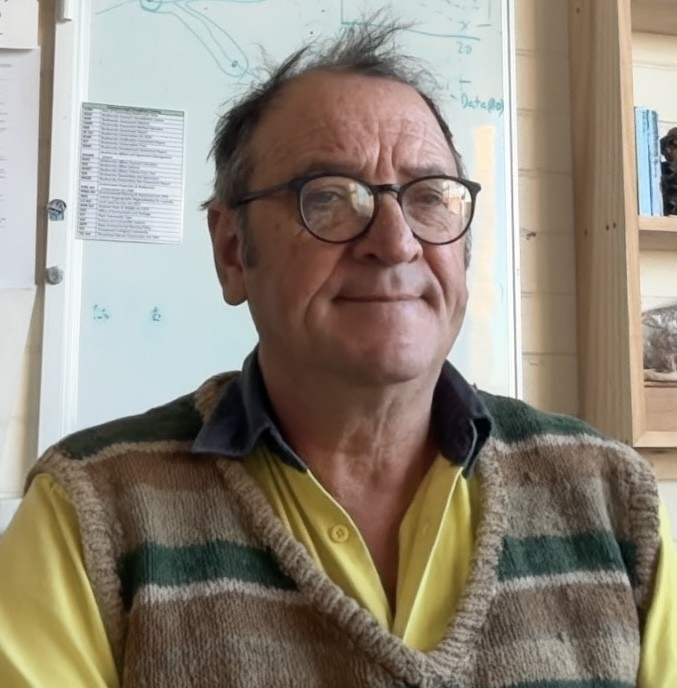
Communities across the New England Renewable Energy Zone (REZ) are being asked to host what Armidale ecologist David Carr describes as the largest infrastructure investment in regional Australia’s history. The question many are asking is whether the region will be better off when it’s finished.
For regional communities like Uralla, the challenges are real: local road impacts, workforce housing, water security, waste management and loss of precious remnant vegetation.
The NSW Parliamentary Inquiry into renewable energy zones recently recognised many of these concerns, calling for a more coordinated approach to planning, infrastructure, services and cumulative impacts. Communities consistently say the energy transition should happen with them, not to them, but the ground reality doesn’t always reflect that (as the findings acknowledge).
David, the founder of Stringybark Ecological, is clear about what he wants from the REZ: “When the REZ is finished, we want biodiversity to be better off, not worse.”
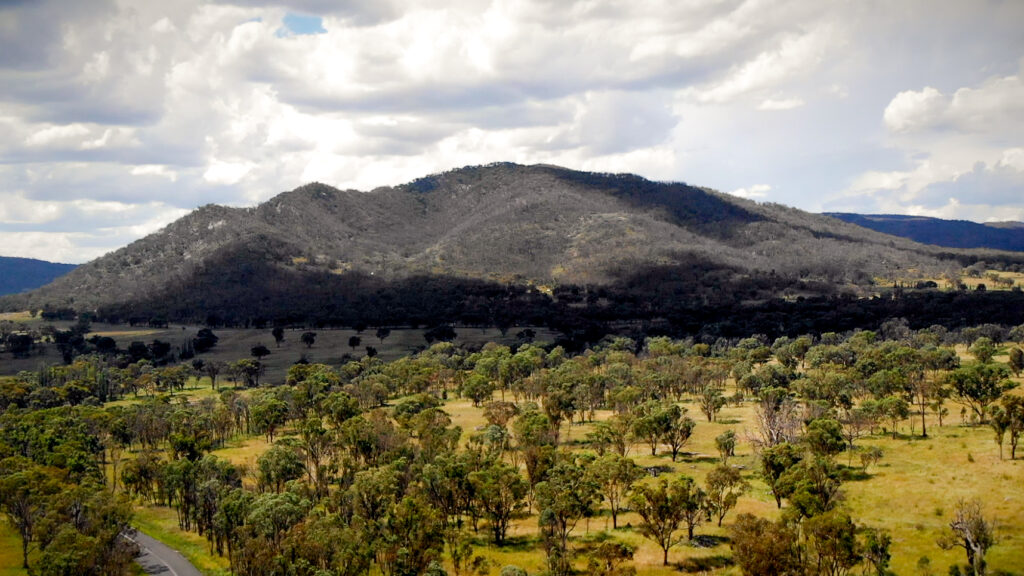
And he believes it’s not just possible, but critical: “Nearly all the vegetation in Uralla Shire, particularly in the central and eastern parts, is gone or degraded. What’s left are threatened ecological communities: Box-Gum Grassy Woodlands, Ribbon Gum forest, and New England Peppermint communities,” says David.
Local rivers and streams are home to endangered turtles and other reptiles. Critically endangered Regent Honeyeaters visit the western part of Uralla Shire and Koalas are found across the region.
“Pretty much everything we’ve got left now is significant.”
Giving nature a voice
When the REZ was announced, David could see it could come at the cost of precious remnant vegetation, but he also knew climate change posed a greater threat, and renewables are one of our greatest weapons to tackle it.
“I decided to try and walk this fine line: being a strong supporter of renewable energy projects but wanting to see them done in the proper way, in the right place, and minimising their impact where possible.”
To put that principle into practice, David joined forces with Community Power Agency to establish a Biodiversity Reference Group. The initiative provides an independent voice for nature around renewable energy developments – particularly EnergyCo’s transmission lines – fostering constructive engagement and positive local outcomes, including their joint publication, Building Better Biodiversity on Solar Farms Guide.
Good renewables development
For David, good renewable energy development means taking the time to engage with regional communities to identify high conservation-value sites and avoid them. This includes threatened species habitat and corridors.
Where impacts are genuinely unavoidable, the focus shifts to robust, strategic offsetting.
“We’re pushing for no net loss of biodiverse areas, so when they clear 1,000 hectares for renewable energy projects, somewhere nearby has at least 1,000 hectares of high-quality revegetation established,” says David.
“In 20 years, I would like to see all impacted areas offset with equivalent areas of revegetation throughout the region. That can be done strategically: improving connectivity between existing remnants, buffering smaller patches, enhancing ecosystem services on farms through shelterbelts, and improving riparian filter zones.”
David says there’s also an opportunity to protect and improve the most significant sites through direct investment linked to offsetting. Where possible, he says it’s preferable to co-locate renewables with agriculture, as you can farm under solar panels, along transmission lines and around wind turbines.
David encourages developers to be proactive: “It’s about bothering to spend the time to do this preliminary background work that is really important. Don’t just do the minimum consultation you can get away with; don’t do the bare-minimum environmental box-ticking exercise; work out what’s important and protect it.”
He says misinformation is a challenge, but good community engagement, including real listening by trusted organisations and individuals, can help cut through.
What Councils can do
While they don’t have veto powers, Councils can play a particularly important role, says David.
He says Uralla and Armidale councils “have used their platforms to represent their communities constructively”.
“They haven’t just thrown up barricades; they’ve engaged with the real challenges – local road impacts, workforce housing, water security, and waste management.”
He says the University of New England has also stepped up, providing analysis on local issues.
David was one of more than 150 local community members and stakeholders who contributed to Uralla Shire Council’s Renewable Energy Strategic Action Plan, which The Next Economy supported to bring together.
He says a clear blueprint is essential: “Without a plan, you are purely reactive.” Now, “when a developer arrives, Council can clearly articulate community expectations and co-investment requirements from the outset.”